This Nutritional Spectrum: Examining Anti-Cancer Options for All Way of Life
Lately, the dialogue surrounding cancer-fighting supplements has gained notable traction, as those affected by cancer and family members alike seek ways to improve health during difficult periods. With a variety of options available, such as vitamins, minerals, and herbal extracts to natural substances and plant-based formulations, exploring this intricate field can be daunting. Understanding the evidence supporting and what may simply be wishful thinking is important for anyone looking to incorporate supplements into their cancer care plan.
This article aims to explore the range of supplements, assessing not just the commonly used supplements but also looking at the literature that analyzes their impact. We will explore how certain supplements may assist during treatment, support the body's defensive systems, and contribute to overall wellness. Additionally, we will tackle common misconceptions and misconceptions, providing evidence to help you make considered judgments. Ultimately, Anti-Aging is to enable readers with insight that allows for meaningful discussions with health practitioners about the best options tailored to unique needs and preferences.
Comprehending Cancer-Fighting Products
Anti-cancer supplements are a broad range of options that individuals may consider adding into their health routine as they navigate the intricacies of cancer avoidance and treatment. These supplements can cover nutrients, elements, botanical essences, and other organic compounds, each asserting multiple benefits related to cancer support. With an continuously increasing catalog of choices available, it is essential for patients to analyze the support backing these assertions, as the research community continues to explore the prospective roles these substances may play in the battle against cancer.
One key focus of current studies is the relationship between diet, supplements, and cellular health. Antioxidants, for example, have gained focus for their possible to neutralize harmful free radicals, thus offering protection to healthy cells. However, the effect of such supplements can differ significantly depending on factors like the amount, the timing of consumption, and individual patient health situations. As the landscape of anti-cancer supplements evolves, grasping the nuances of how these products work—and under what circumstances they may be helpful—is essential for patients seeking to enhance their treatment and wellness strategies.
Additionally, it is important to differentiate between supplements designed for treatment support and those targeted at avoidance. The outcomes of using certain supplements during active therapy can cause harmful interactions with medically recommended therapies. Thus, engaging in conversations with healthcare providers is vital to ensure that selected products align with medical guidance. This cooperative approach can enable patients to make educated decisions that enhance their therapy plans, enhancing their overall standard of life while tackling the complexities of cancer treatment.
This Science of Nutritional Supplement Effectiveness
Understanding the effectiveness of anti-cancer supplements requires a look at the data from clinical studies and empirical research. Numerous supplements, such as vitamins, minerals, and herbal compounds, have been studied for their possible benefits in supporting cancer treatment and prevention. However, not all supplements are formulated equal; the quality of the studies varies greatly. Some supplements show promising results in laboratory studies, yet fail to show significant benefits in larger clinical trials. It is crucial for patients to determine which supplements have support from rigorous studies versus those that are primarily anecdotal.
The bioavailability of nutrients in supplements is another crucial aspect affecting their effectiveness. Bioavailability refers to how well a nutrient is absorbed and utilized by the body. Depending on the formulation and the individual's metabolism, some supplements may not deliver the expected outcomes. For example, specific vitamins and minerals may need to be taken in specific forms or alongside additional nutrients to improve absorption. Patients should speak with healthcare professionals to better understand which supplements can effectively aid to their overall health and treatment regimen.
Additionally, the interaction of supplements with conventional treatments must be analyzed carefully. While some supplements may offer beneficial benefits—like reducing treatment side effects or enhancing immune function—some can interfere with chemotherapy or radiation therapy. Oncologists often emphasize a personalized approach to supplementation, incorporating only those products that can coexist with a patient's prescribed treatment plan. Balancing the possible benefits of supplements while steering clear of risks is key to forming an effective support strategy during cancer care.
Holistic Strategies to Oncology Treatment
Integrative oncology focuses on merging conventional cancer treatments with complementary therapies, including various supplements that may improve overall well-being and aid the body's natural healing processes. This approach recognizes that cancer impacts not just the bodily body but also mental and psychological health. By tackling these multiple aspects, integrative care aims to improve well-being for patients during and after treatment.
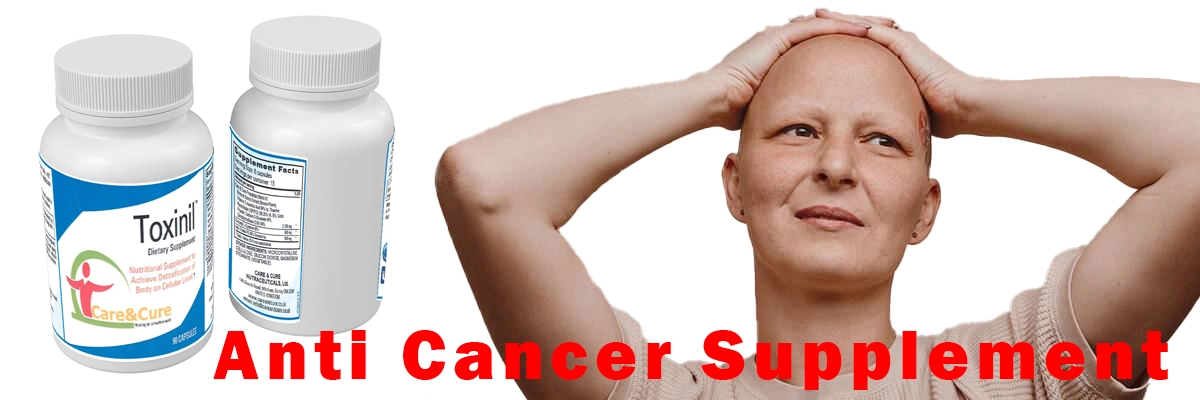
Numerous patients seek out anti-cancer supplements as part of their treatment path, thinking that these holistic substances can boost their health. Some research supports this notion, highlighting the benefits of certain vitamins, minerals, and herbal supplements in promoting cellular health and aiding the efficacy of conventional therapies. However, it is essential for patients to consult with their healthcare providers to confirm these supplements are appropriate and safe for their specific situation.
Moreover, the importance of nutrition in cancer care cannot be understated. Proper nutritional choices, augmented with evidence-based options, provide a thoughtful way to optimize health. Integrative approaches emphasize the synergy between nutrition, lifestyle, and supplements, enabling patients to adopt holistic practices that may enhance treatment outcomes and provide emotional support during their cancer journey.