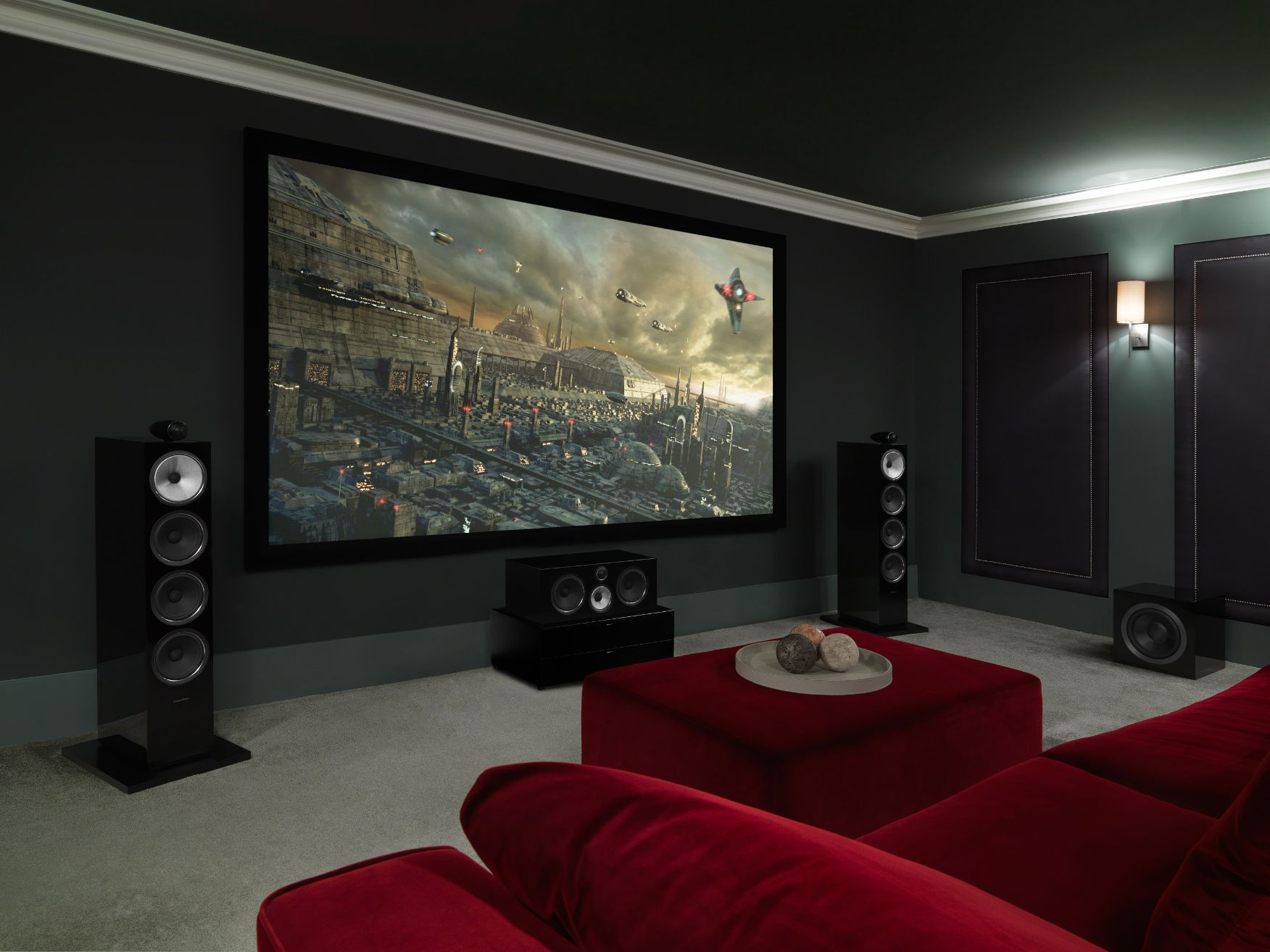
Theater Setup: Installing a Big Screen Experience in Your Home
In world, residential entertainment has evolved significantly, and designing the ideal home theater environment has never been more attainable or thrilling. With developments in technology and a variety of options available, residents are now able to bring the thrill of the movie theater right into their homes. Whether you wish to host film evenings, experience your favorite games, or relish in marathon viewing sessions, a thoughtfully planned home cinema can enhance your watching satisfaction to new levels.
The following guide dives deep into the details of home cinema creation, discussing everything from the key components needed for a perfect setup to the possible challenges to steer clear of. We'll weigh the benefits and drawbacks of taking on the project yourself versus employing a specialist, guiding you make informed decisions throughout the process. Along with handy recommendations on room design, sound system configuration, and the effect of illumination on your viewing quality, you'll be prepared to build the perfect setting for enjoying films and beyond directly from the convenience of your residence.
DIY vs. Professional Installation
When considering a home theater installation, one of the initial decisions to make is whether to tackle the project yourself or hire a professional. DIY installation can be enticing for the adventurous homeowner who likes hands-on projects and wants to save on costs. With a wealth of online resources and tutorials available, many discover that they can achieve satisfactory results using their own skills. However, it's crucial to have a realistic understanding of the obstacles involved, including expertise and time commitment.
On the flip side, hiring a professional offers numerous advantages that can streamline the whole process. Professionals bring knowledge, skill, and often a polished sense of design to your home theater installation. They can evaluate your space, recommend the most suitable equipment, and ensure optimal sound and picture quality. Their knowledge with local building codes and safety standards can also alleviate concerns about compliance and structural integrity, leading to a more smooth experience from start to finish.
Ultimately, the choice between DIY and expert installation will depend on your financial constraints, comfort with technology, and desired outcome. If you have certain choices and enjoy the process, Do-It-Yourself might be the right path for you. On the other hand, if you seek confidence that every aspect is handled with precision and care, investing in professional installation can result in in long-term satisfaction and performance.
Creating Your Cinema Space
Creating the ideal environment for your home cinema is essential for an immersive viewing experience. Start by choosing the appropriate room in your house where you can manage lighting and reduce interruptions. A specific space such as a basement, spare room, or even a finished attic can work well. Make sure that the size of the space allow for relaxed seating and that the distance between the screen and seats provides an excellent sight position.
Next, think about acoustics and soundproofing as these factors significantly affect audio quality. Installing acoustic tiles or using heavy drapes can help absorb sound and minimize echo, enhancing the audio quality. Additionally, use carpets to additional dampen sound. Think about the roof height as well, since a higher ceiling can improve sound dispersion, making the overall viewing pleasant.
In conclusion, lighting has a pivotal role in your film setup design. Spend in variable lighting solutions that can be softened or completely turned off during screenings. Think about intelligent lighting that can be controlled via an application or control, allowing for smooth transitions from surrounding light to total darkness. Don’t forget to position any light sources away from the display to eliminate reflections, guaranteeing the best possible viewing quality.
Budgeting Factors and Budgeting
When designing a home cinema setup, financial planning is essential. The expenses can vary widely based on the decisions you select regarding hardware, installation, and the complexity of the endeavor. Premium projection systems, audio systems, and luxury seating can considerably boost your budget. It's important to determine which components are most important to you and how much you are willing to invest to achieve your ideal setup.
Another aspect impacting your overall costs is whether you choose a DIY approach or hire experts. While DIY installations can save you money, they often require a significant commitment of your effort and may lead to errors that could increase costs down the line. Hiring professionals typically ensures a more efficient process with superior results, but it also comes with labor costs that can add to your overall budget. Weighing these choices is critical in achieving a harmony between excellence and price.
Additionally, consider future costs when financial planning. Upgrading Have a peek here or addressing concerns like soundproofing treatments afterwards can add to your overall expenses. Be sure to factor in potential upkeep costs and think about how your setup can adapt to new developments in theater technology. A well-planned budget that takes into account these factors will help you make the most of your home cinema for years to come without breaking the bank.