Navigating the Last Journey: A Complete Guide to Memorial Arrangements
Organizing a funeral can be one of the most challenging and trying tasks a family faces during a difficult time. The passing of a loved one brings not only grief but also a flurry of decisions that need to be made quickly and thoughtfully. Whether you are faced with urgent plans or thinking about the option of pre-planning your own memorial, knowing the steps involved can greatly ease the stress on you and your family. This thorough guide aims to provide you with crucial information and resources to navigate the complexities of funeral planning.
From choosing between interment and cremating to personalizing a service that celebrates the distinct life of your dear one, every decision matters. Knowing the costs involved, the role of a funeral home director, and what documents are required can protect families from unexpected burdens and expenses. By adhering to the insights outlined here, you will be better equipped to make wise decisions that reflect the values and wishes of the person you are honoring.
Getting Started with Planning a Funeral
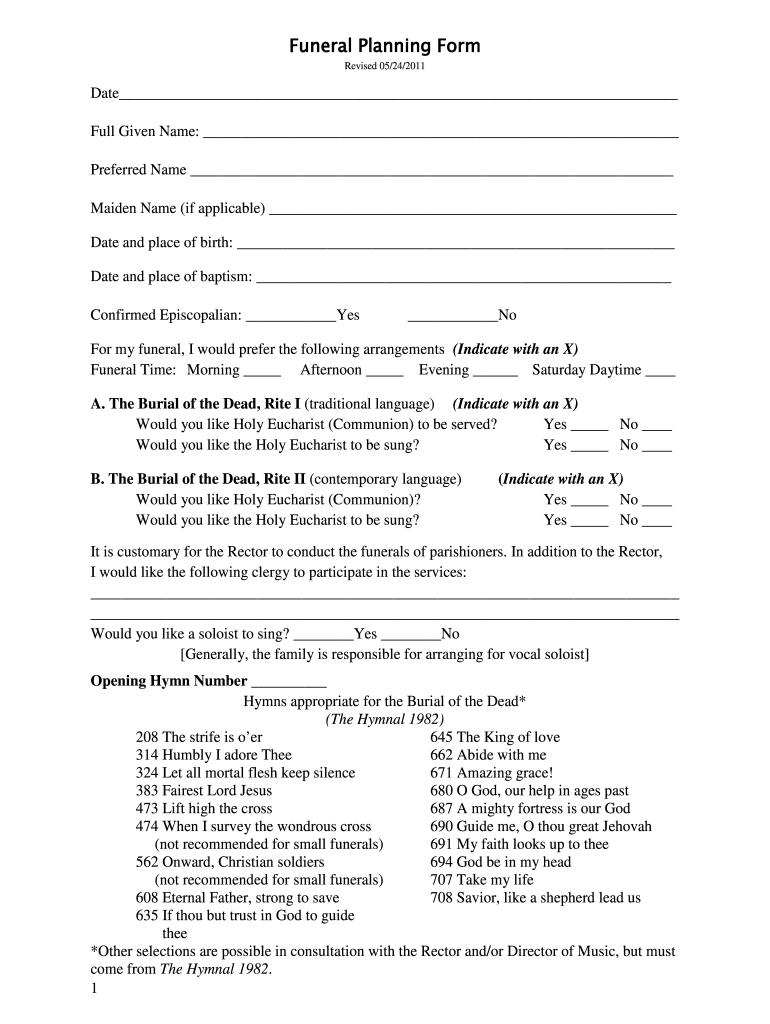
When the time comes to organize a funeral for a deceased, it can seem daunting. Start by collecting essential information about the individual, including their preferences regarding interment or cremating, desired type of service, and any special instructions they may have made. Having this information at hand can simplify the decision-making journey and provide comfort knowing their preferences are being honored.
Next, it is important to understand the logistics involved in planning a funeral. This includes determining the venue of the service, choosing a funeral director, and defining the kind of ceremony. Talking with family members can help in making shared decisions and ensure that all opinions and emotions are kept in mind. This collaborative approach can often lead to a more significant ceremony that illustrates the individual's life and legacy.
Finally, familiarize yourself with the monetary elements of planning a funeral. Grasping the expenses involved can prevent unexpected costs and help keep the planning process within budget. Look into various options available, such as prepaid service arrangements or traditional burial versus cremation, to see what most aligns with your family's principles and economic standing. Having a clear understanding of these elements will both aid in effective planning but also lessen some of the stress during this trying time.
Comprehending Expenses and Options
As planning a memorial service, it is essential to be aware of the various costs involved, as this can significantly affect your family's budget. Funeral expenses can fluctuate widely based on considerations such as site, the type of service you select, and extra options like interment or cremation. Basic costs typically include assistance provided by the mortuary, vehicle costs, a coffin or urn, and any required permits or fees for burial or ashing. Understanding these costs upfront can help you administer your monetary resources efficiently and avoid unexpected expenses.
One of the key choices involves choosing between burial and ashes disposal, as each option comes with its own set of costs and considerations. Interment usually entails buying a burial plot, a casket, and possibly an external burial container. In comparison, cremation may offer a more budget-friendly alternative, but families should also consider in the cost of an container and any memorial services they wish to hold. Investigating these options thoroughly allows families to make knowledgeable choices that concur with their principles and financial situation.
Additionally, it is wise to develop a list that details all possible expenses and choices during funeral planning. This checklist can include items such as service fees, merchandise costs, commemoration options, and gathering expenses. By having a clear overview of the financial implications and available choices, families can manage this difficult time with greater clarity and confidence. Understanding costs and options not only helps in making responsible choices but also ensures the funeral reflects the wishes of the deceased and honors their memory rightly.
Customizing the Memorial Ceremony
Creating a one-of-a-kind and personalized service event can help commemorate the legacy of your loved one in a memorable way. Loved ones can include personal elements that reflect the personality, interests, and beliefs of the deceased. This could comprise favorite music, images, or narratives that highlight important events in their life. By integrating these personal touches, the ceremony becomes a heartfelt tribute that resonates with family and friends.
In also to practical elements, think about how to convey the person’s legacy through the service's theme. https://kent-hensley-2.federatedjournals.com/10-crucial-points-to-thoughtful-memorial-planning might involve selecting a venue that held importance for them, or arranging symbolic ceremonies that honor their values or interests. For example, if they were passionate about plants, using plants and greens they loved can serve as a fitting tribute. It is important to include family members in these decisions to ensure everyone feels valued and connected during the service.
Finally, customization extends to how attendees honor the individual. Funeral Planning Ludlow like customized brochures, memory tables with guest books, or even video tributes can provide attendees with lasting remembrances. Additionally, allowing guests to tell their stories during the service can cultivate a spirit of community and connection, enabling everyone to take part in celebrating a journey well-lived.