Nature's Barrier: Top Supplements for Preventing Cancer
In the past few years, the search for methods to avoid cancer and aid treatment has led many individuals to explore the world of dietary supplements. With an increasing interest in natural health solutions, people are keen to comprehend what supplements are supported by science and which may serve as mere hype. This piece aims to clarify the nuances surrounding anti-cancer supplements, highlighting the evidence, safety, and efficacy of various options available today.
From vitamins and minerals to herbal compounds, the field of cancer prevention and support is packed with possibilities. However, traversing this landscape requires a discerning eye, as not all supplements are made equal. Understanding the role of these natural products, along with a balanced diet and wholesome lifestyle, is essential in supporting overall wellness. Whether you are seeking to boost your health during treatment or merely aiming to implement preventive measures, we will delve into the current research and expert recommendations to help you formulate informed choices on your journey towards health.
Understanding Oncology Nutraceuticals
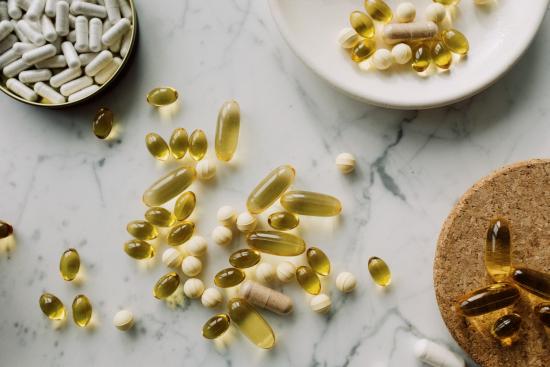
Cancer-fighting supplements encompass an extensive array of natural compounds, micronutrients, and minerals that are analyzed for their contribution in the prevention of cancer and aid during therapy. These supplements can range from free radical scavengers like ascorbic acid and E to plant-based options such as curcumin and Camellia sinensis extract, which are believed to have effects that may reduce cancer cell growth. It is essential to distinguish between nutraceuticals that have been clinically tested and those that lack significant evidence, as the market is filled with both optimism and advertising noise.
The research community continuously studies the effects of these supplements on cell health and their capacity to bolster the body's natural defenses against malignancies. Various scientific studies suggest that particular nutrients and trace elements play a key role in maintaining cellular integrity and combating oxidative stress, which is connected to onset of cancer. However, the outcomes can be differing depending on specific health circumstances, making it imperative for people to consult medical experts before including supplements into their diet.
In addition to stopping cancer, some anti-cancer supplements are investigated for their likelihood to alleviate adverse effects associated with standard oncology therapies. These could assist enhance the life quality for people experiencing aggressive therapies. Grasping the role of these supplements requires not only analyzing the existing research but also talking about personal health aspirations and treatment plans with a licensed provider, ensuring a safe and effective approach to supportive cancer care.
The Role of Nutrition in Cancer Care
Diet plays a crucial role in cancer care, impacting both the body’s ability to fight cancer and the overall well-being of patients undergoing treatment. A well-balanced diet that includes fruits, vegetables, whole grains, and lean proteins can provide essential nutrients that support immune function, promote healing, and lessen the side effects of cancer therapies. Research have shown that proper nutrition not only helps individuals maintain their weight but also increases their energy levels and boosts their quality of life.
Furthermore, specific nutrients, such as nutrients and minerals, contribute to cell health by providing support against oxidative stress. Antioxidants can help combat oxidative stress in the body, which is a factor in cancer progression. Including foods rich in antioxidants, like berries, nuts, and green leafy vegetables, can be an important strategy for cancer prevention and support. As research continue to progress, understanding how these nutrients work together remains essential for developing effective dietary recommendations.
It is important for cancer patients to collaborate with healthcare professionals to formulate a personalized nutrition plan. This plan can cater to individual needs, preferences, and treatment side effects, thus adding supplements when necessary. Engaging with https://notes.io/eyLAs can help patients navigate the complexities of dietary choices, ensuring that their nutritional intake complements their treatment strategy and supports their path toward recovery.
Research-Backed Approaches to Nutritional Supplement Use
When evaluating the use of nutritional aids for cancer assistance, it is crucial to base decisions on scientific evidence. Numerous studies have examined various nutritional supplements, seeking to establish their effectiveness in both prevention and as adjunctive therapies during cancer treatment. For instance, some nutrients, minerals, and herbal extracts have shown promise in boosting the immune response, diminishing inflammation, and protecting cellular health. Engaging with reputable clinical research can help choices about which nutritional aids may be beneficial and which may be without adequate validation.
Incorporating nutritional aids into a cancer care regimen should be done with thoughtful assessment of the patient's overall health and treatment plan. Oncologists often suggest patients to discuss any nutritional supplements they are considering, as certain compounds may conflict with conventional cancer treatments. Moreover, identifying reliable sources and quality products is important, as not all supplements are equivalent. This approach aids in confirming that the chosen nutritional aids not only support the body's defenses but also align with the patient’s specific needs and treatment recommendations.
Ultimately, the role of supplements should complement a well-rounded approach that includes a balanced diet, lifestyle decisions, and compliance to prescribed medical treatments. Evidence-based guidance can empower patients to make knowledgeable decisions that enhance their well-being during treatment while minimizing the risk of unproven or harmful choices. By focusing on evidence-based nutritional aids and working closely with healthcare providers, individuals can better navigate the complexities of cancer care and support their overall wellness.