Exploring the Realm of Teeth Implants: Everything You Need to Understand About Restoration
Tooth implants have revolutionized the way we approach tooth loss and restoration. For many, a missing tooth can lead to not only practical issues but also feelings of insecurity. Thankfully, progress in dentistry have created opportunities for viable options that not only rebuild your grin but also your assurance. This comprehensive guide will assist you understand the field of dental implants and their restoration, offering you essential facts and insights to make informed decisions.
In the next sections, we will discuss the intricacies of dental implants, exploring all aspects of the step-by-step procedures involved in undergoing an implant, to the variables influencing their long-term success. Whether you are looking into an implant for a one lost tooth or wanting full mouth restoration, comprehending your options is crucial. With the right information, you can ensure that your journey towards a better smile is as smooth and successful as possible.
Comprehending Teeth Implants along with Restoration
Teeth implants represent a transformative solution for individuals with missing teeth, offering a sturdy and cosmetically attractive choice. Constructed from biocompatible materials as well as alternative biocompatible materials, the implants are inserted into the bone of the jaw, serving as synthetic roots for teeth. Upon integration with the surrounding bone, these implants can support multiple restoration types, including tooth crowns, dental bridges, and removable prosthetics. This procedure not only revives function as well as brings back the natural appearance of a mouth, boosting one’s self-esteem and overall quality of life.
The restoration phase involves attaching a replacement tooth as well as a number of teeth to the dental implant. This can be done through various techniques, depending on the requirements of the client and the scope of the oral work necessary. For single missing teeth, a tooth crown is commonly used, while several missing teeth might necessitate a bridge or false tooth. The aim of restoration is to guarantee that the artificial teeth integrate harmoniously with the current teeth, both in look and function, making it a vital component in the entire implant process.
Candidates for oral implants should have enough bone density and healthy oral health to support the prosthetics. However, progress such as bone grafting have enabled for greater patients to qualify for these treatments. Additionally, advancements in technology has improved planning and execution, allowing for more precision and reduced recovery times. Ultimately, oral implants and their reconstructions provide a compelling solution for those desiring to restore their oral appearance and improve their oral health.
The Dental Implants Process Described
This dental implant process typically begins with a comprehensive consultation in which the dentist evaluates the patient's mouth health, discusses goals, and performs essential imaging to design the treatment. This phase is vital, as it helps identify whether the patient is a good candidate for implants and what specific type of restoration will be best. https://fixeddentalcare.com/ as the density of the bone and overall health are evaluated to determine the best approach for the implant surgery.
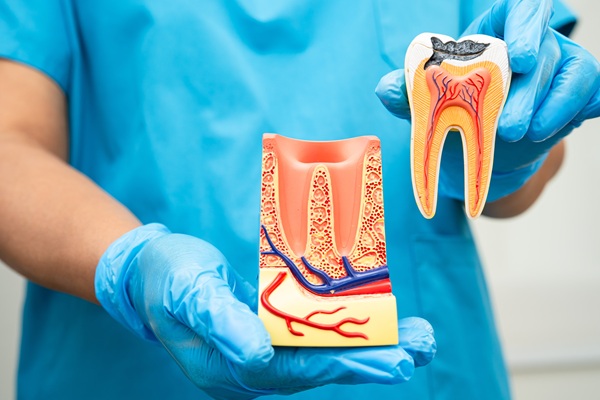
Once the treatment plan is established, the next step involves the surgical placement of the dental implant. In this process, a tiny titanium post is placed into the jawbone, serving as a substitute root for the missing tooth. Over the following weeks to several months, the implant experiences osseointegration, where the bone integrates with the implant, offering stability. This phase is key for the durable success of the implant and requires proper aftercare and follow-up visits to monitor healing.
Following successful integration, the last stage involves placing a custom-made restoration, such as a crown or bridge, on top of the implant. The restoration is designed to match the surrounding teeth both in function and appearance. The dentist makes sure the fit is comfortable and that the bite is correct before finishing the process. Patients can anticipate to leave with a completely restored smile, which greatly enhances both aesthetics and oral health.
Benefits and Considerations for Implant Dentistry
Dental implants offer numerous benefits for patients missing teeth, greatly enhancing mouth health and life quality. One of the key benefits is their ability to restore function. Unlike traditional dentures, which can slide and cause discomfort, implants provide a secure solution that allows for natural eating and speaking. Moreover, because they bond with the jawbone, dental implants help preserve the integrity of the facial appearance and prevent deterioration of bone, which can happen with loss of teeth. This causes a more natural look and improved self-confidence.
However, there are considerations to consider when deciding on dental implants. The initial cost of the treatment can be greater compared to other rehabilitation options, such as dental faux teeth or dentures. Additionally, not every person is an perfect candidate for implants; considerations like bone density, overall health, and gum condition play a critical role in determining acceptance. Some patients may require preliminary processes such as bone grafting, which increases the complexity and length of treatment. It is important for people to have detailed evaluations with their oral health provider to grasp their specific circumstance.
Lastly, the performance of dental implants relies on appropriate care and maintenance. Following the treatment, patients must adhere to good dental care routines and regular dental visits to ensure the lifespan of their implants. Comprehending the obligations involved in maintaining implants is crucial for achieving the best effects. By weighing both the benefits and the needs associated with dental implants, patients can make educated decisions that best fit their preferences and way of life.