Clear The Worries: An Self-Help Handbook to Unclutter Drains
Clogged drains can be a property owner's worst nightmare, causing everything from inconvenient backups to high plumbing repairs. Understanding the common causes of drain clogs is crucial for maintaining a efficient system in your home. From grease and hair buildup to tree roots penetrating your pipes, knowing what leads to blockages can empower you to take preventive measures and tackle difficulties before they escalate.
In this DIY guide, we'll explore different aspects of drain maintenance and clearing. You'll learn about the warning signs that your drain may be on the verge of clogging, how to unclog different types of drains effectively, and the best natural remedies to clear blockages. Additionally, we will discuss when it's wise to consult a certified plumber and the tools they use to handle stubborn clogs. By following the tips and insights in this article, you can take control of your plumbing and prevent the annoyances that come with blocked drains.
Common Causes and Ways to Prevent of Blocked Sewers
Blocked drains are commonly the result of a buildup of substances that should not be thrown away through your drainage system. Common offenders are hair, soap scum, food particles, grease, and foreign objects. Strands of hair, especially in bathroom sinks and bathtubs, can create tangled clumps that catch other debris. In the cooking area, putting fats and greasy substances down the drain adds significantly to the accumulation of grease, which solidifies and creates obstructions over time. Understanding these causes is the initial step in avoiding backups.
To prevent these common issues, think about implementing a number of key strategies. In Drain Unblocking Cockermouth Cumbria , employing strainers can successfully collect hair and stop it from entering the drain. Regular maintenance of your basin and shower drains is crucial to eliminate soap scum and buildup. In the kitchen, consistently throw away fat, oil, and food scraps in the trash, and think about pouring hot water down the drain after using it to help remove any residual grease or food particles. Additionally, inform all household members on proper disposal methods to reduce the likelihood of blockages.
In commercial environments, prevention strategies are equally important. Frequent maintenance checks should be performed to identify potential issues before they escalate. Commercial establishments should set up fat traps, particularly in restaurants, to stop fats from getting into the drainage system. Routine cleaning and expert inspections can help keep drains unclogged and functioning smoothly, providing a secure and efficient setting for everyone.
DIY Methods for Unclogging Drains
One effective DIY technique for unclogging drains includes using a combination of baking soda and vinegar. Start by pouring ½ cup of baking soda down the drain, then half a cup of vinegar. Let it fizz and work for about half an hour, then rinse it with hot water. This natural solution can help dislodge minor clogs caused by grease, hair, and soap residue without harming your pipes.
Another useful technique is using a plunger, especially for kitchen sinks and toilets. Make sure to have a suitable cup plunger for sinks and a flange plunger for toilets. To employ it, cover the drain completely with the plunger and push down firmly before pulling up quickly. Repeat this several times to create suction that can free the clog. If done correctly, this method can provide immediate relief to your blocked drains avoiding harsh chemicals.
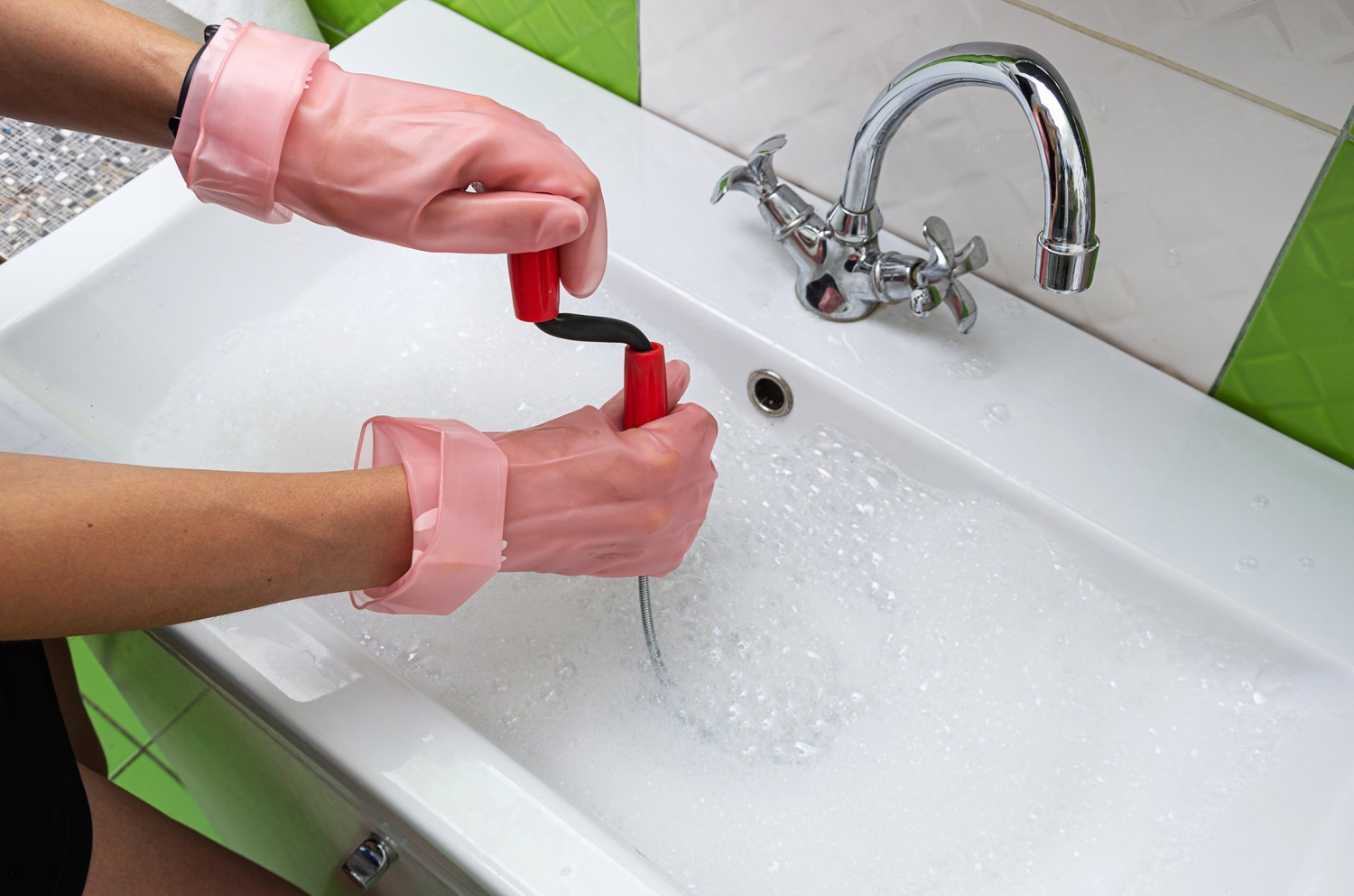
If you're facing a particularly stubborn clog, a drain snake can be an invaluable tool. A drain snake, or auger, is designed to reach deep into the pipes to break up or remove blockages. Insert the snake into the drain and turn the handle clockwise until you feel a blockage. This is likely the clog; continue rotating to break it apart or pull it out. After you feel the blockage has been cleared, clean the drain with hot water to clean out any remaining debris.
When the time to Contact an expert Professional Plumber
There are various situations when you should essential for you to request the help of a expert plumbing specialist. If you discover that your efforts at clearing the clog are unsuccessful and the problem persists, it's a clear signal that the obstruction may be further down in the pipes or more severe than thought. Additionally, if you notice indications of backflow in multiple sink outlets, this could indicate a more serious issue, such as a blockage in the main sewer pipeline, which needs immediate care.
Another reason to contact a professional is if you detect any suspected issues to your plumbing, such as leaks or cracks, while attempting to clear the clog. Neglecting these issues can result in costly fixes down the road and establish an harmful home due to water damage or mold. A licensed plumber possesses the knowledge to analyze the situation accurately and suggest the best course of action.
Finally, if you are dealing with repeated clogs despite following preventive measures, it may signal an underlying issue problem that needs expert evaluation. Regular maintenance and inspection by a plumber can assist identify issues like tree root intrusion or pipe decay, ensuring your plumbing remains functional and effective. Getting expert assistance in these instances can reduce your time, labor, and expenses in the future.